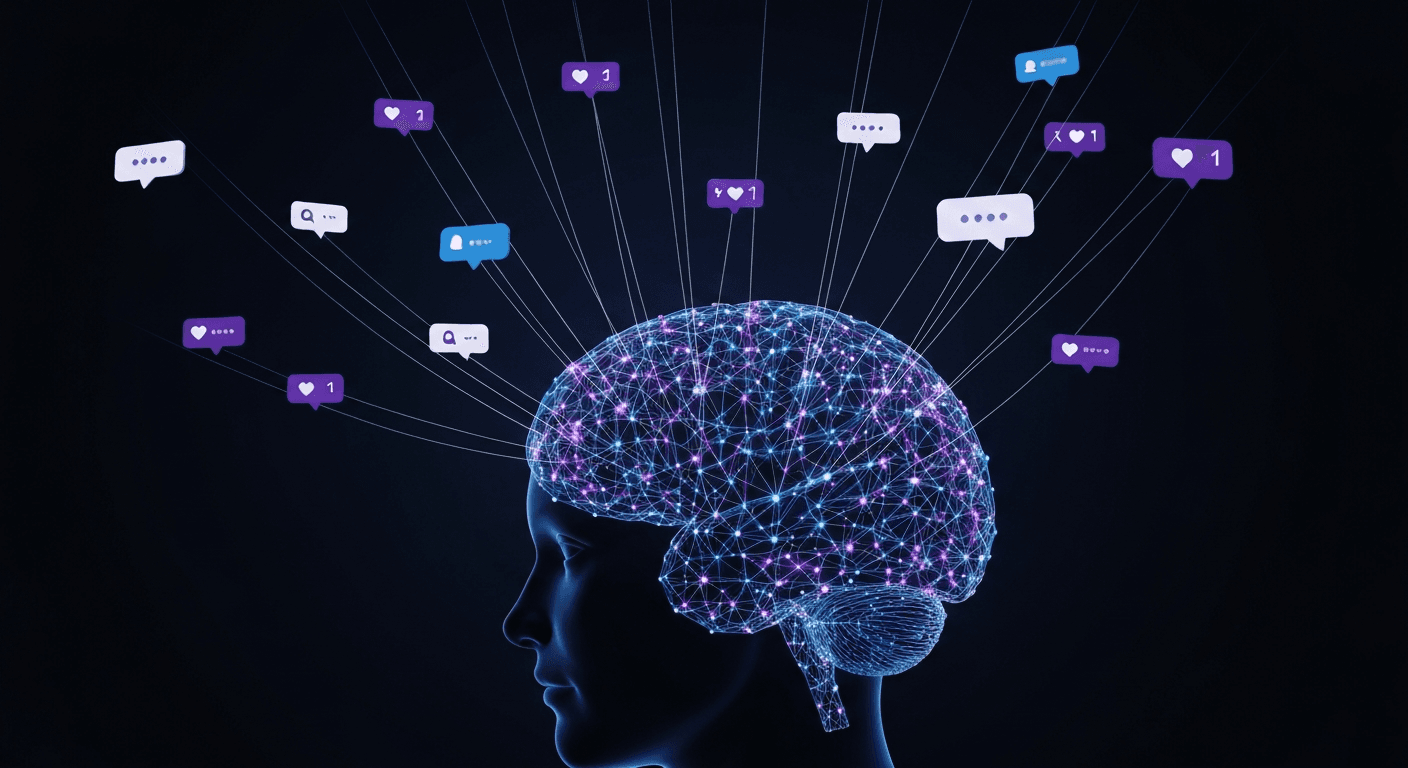
i've been posting on linkedin and x for about a year now. building in public, sharing weekend projects, writing about tech
and i noticed something weird
the posts where i share genuinely useful stuff? decent engagement. the posts where i accidentally say something slightly controversial? 10x the reach. every single time
that's not a coincidence. social media algorithms don't measure quality. they measure engagement. and engagement is driven by psychology, not substance
here are nine tricks that exploit how your brain works. once you see them you can't unsee them
1. ragebait
let's start with the obvious one. ragebait is content designed to make you angry enough to engage. not to inform. not to discuss. just to provoke
oxford named "rage bait" their word of the year for 2025. that should tell you something
the formula is dead simple. take a mildly controversial opinion, strip all nuance, present it as fact. "developers who use AI are not real developers." "i fired my top performer for being 5 minutes late." you know the type
why it works: anger is a high-arousal emotion. unlike sadness or boredom, it makes you want to do something. Jonah Berger at Wharton studied this — anger makes you more likely to share, comment, and click through than almost any other emotion
and the algorithm doesn't know angry from happy. a hate-comment counts the same as "great post!" MIT found that false provocative content spreads 70% faster than truth and reaches the same audience six times quicker. not bots. humans
every time you quote-tweet to dunk on someone you're doing their marketing for free
2. cunningham's law
"the best way to get the right answer on the internet is not to ask a question; it's to post the wrong answer"
named after Ward Cunningham, the guy who invented the wiki. and honestly this might be the most exploited trick on social media
ask a question: "what's the best javascript framework?" — maybe 15 comments
post a wrong answer: "jQuery is still the best framework in 2026, nothing comes close" — 300 people show up to correct you. they write paragraphs. they tag friends. they share your post to dunk on it
your engagement just went through the roof. all you had to do was be confidently wrong
correcting someone feels good. people get a little dopamine hit from demonstrating expertise publicly. they're not engaging for your benefit — they're performing for their own audience. but the algorithm only sees the numbers going up
the savviest linkedin creators do this on purpose. post something slightly wrong, let corrections flood in, then either double down (more engagement) or gracefully concede (looks humble, even more engagement). can't lose :)
3. the curiosity gap
"i just learned something about react that changed everything..."
"this one mistake cost me $50,000..."
"the thing nobody tells you about getting promoted..."
you already want to know more. that's the curiosity gap. psychologist George Loewenstein figured out in 1994 that when we perceive a gap between what we know and what we want to know, it creates something like an itch. you have to scratch it
buzzfeed built an empire on this. "10 things you didn't know about X — number 7 will shock you" is basically a meme now. but it still works. it just evolved. now it's "i spent 6 months building this and here's what i learned" — same mechanic, different outfit
the algorithm tracks click-through rate. if your post makes people click, it gets pushed to more feeds. curiosity gaps inflate click-through artificially. the content behind the gap could be mid. doesn't matter. the click already happened
4. the zeigarnik effect
related to curiosity gaps but different. the zeigarnik effect says people remember unfinished tasks better than completed ones
discovered by Bluma Zeigarnik after noticing waiters could perfectly remember unpaid orders — but forgot them immediately once paid. the incomplete task creates tension in your brain that keeps it accessible
this is why "i'll share part 2 tomorrow" isn't lazy content planning — it's psychological engineering. that unfinished story occupies a corner of your brain until it's resolved. same reason you binge netflix. same reason you check back on a thread from yesterday
for reach it's pure gold. it drives return visits, saves, bookmarks, and follows. all high-signal metrics. if you've ever followed someone just because they left a story unfinished — you got zeigarnik'd
5. loss aversion
"you're losing money every day you don't know this"
"most developers will never learn this skill"
"stop making this mistake before it ruins your career"
Kahneman and Tversky proved that losses feel roughly twice as painful as equivalent gains feel good. losing €100 hurts about twice as much as finding €100 feels nice
creators exploit this by framing everything as something you're losing by not engaging. it's never "here's a useful tip" — it's "you're falling behind if you don't know this"
this is also why "mistakes to avoid" posts always outperform "tips to follow" posts. "7 mistakes killing your career" hits way harder than "7 ways to grow your career." same information. different framing. the first one makes you afraid
6. social proof
"100,000 developers already switched to this tool"
"this went viral last week (reposting for those who missed it)"
the bandwagon effect. if enough people seem to believe something, your brain shortcuts to "must be true" without actually evaluating it
on social media this creates a feedback loop. post gets early engagement → algorithm shows it to more people → those people see it already has likes → they engage too → algorithm pushes it further. snowball
creators game this with engagement pods — groups that agree to like and comment on each other's posts right after publishing. a post that gets 50 comments in the first hour looks way more "valuable" to the algorithm than one that gets 50 comments over a week. same content. different velocity. completely different reach
7. identity attacks
"most developers can't solve this simple problem"
"senior engineers who can't do this should be embarrassed"
ragebait's surgical cousin. instead of making you angry about an opinion, it attacks your identity
when someone says "most developers can't do X" your brain immediately asks: am i in the majority or the exception? if you can do it, you comment to prove it. if you can't, you argue the premise. either way — engagement
this is social identity theory. people derive self-esteem from group membership. threaten the group, the emotional response is immediate. doesn't matter if the post is obvious bait. your ego fires before your brain catches up
tech twitter is full of this. "real programmers don't need an IDE." "if you can't code without google you're not a developer." these aren't opinions. they're engagement traps designed to make thousands of people respond with "well actually i..."
8. the pratfall effect
"i lost $30,000 on my startup. here's what i learned"
"my code took down production for 6 hours"
Elliot Aronson found in 1966 that highly competent people become more likable after making a mistake. the blunder humanizes them. closes the gap between "impressive person on a pedestal" and "someone like me"
important catch: this only works if you're already seen as competent. established dev sharing a production horror story? endearing. brand-new account sharing nothing but failures? just looks like failing
creators who get this share failures alongside successes. not just humility — it's calculated. vulnerability posts consistently outperform achievement posts because they trigger empathy and people want to share their own similar stories
"i failed" gets more comments than "i succeeded" because humans want to console, relate, and tell their version. the algorithm sees a flood of long thoughtful comments and thinks: push this wider
9. contrarian takes
"react is terrible and here's why"
"college degrees are worthless"
"microservices were a mistake"
going against consensus is one of the most reliable engagement generators. not because you're necessarily wrong — sometimes contrarian takes are genuinely good. but the mechanism almost guarantees a response
think about it. a single contrarian take triggers multiple effects at once. anger from people who disagree (ragebait). curiosity about why someone would think that (curiosity gap). threat to people who made the opposite choice (identity attack). urge to correct the wrong take (cunningham's law)
four psychological triggers from one post. that's why contrarian content punches so far above its weight
the structure is always the same: popular thing + negative framing + just enough reasoning to seem credible. "unpopular opinion: typescript is overrated" works better than "typescript has some downsides" because it splits the audience. people who agree pile on. people who disagree defend. both groups engage. algorithm loves it
the meta-game
so now you know the tricks. you'll start seeing them everywhere. every viral post uses at least two or three
and the uncomfortable part? knowing doesn't make you immune
you'll still feel the itch to correct the wrong answer. you'll still click the curiosity gap. you'll still feel attacked when someone questions your professional identity. these are emotional responses and they fire before your conscious mind can intervene
i'm not even saying all of this is bad. the pratfall effect rewards genuine vulnerability. cunningham's law surfaces correct information eventually. contrarian takes sometimes reveal real blind spots
but ragebait, loss aversion manipulation, identity attacks? those are just exploiting your wiring for someone else's metrics
what to do with this
i could say "just scroll past" but that's like telling someone to just stop being hungry. the responses are biological
what actually helps me:
- recognize the trigger before you react. if a post makes you feel compelled to respond right now, that's the clearest sign it's engineered. real insight makes you think. engagement bait makes you react
- check who benefits from your response. if your comment primarily serves the original poster's metrics, save your energy for your own content
- build for depth, not tricks. these tricks work for reach but they build shallow audiences. people who follow you because of outrage will unfollow when you post something useful
- follow the people who don't use these tricks. the best creators i follow rarely go viral. they just consistently post things worth reading. smaller audiences, but actually engaged
the algorithm rewards psychological exploitation because engagement is the business model. the only thing you control is your attention
and attention is the most valuable thing you have
spend it on something that deserves it
Stay Updated
Get notified about new posts on automation, productivity tips, indie hacking, and web3.
No spam, ever. Unsubscribe anytime.