
Part 18 of 21
Here's the uncomfortable truth about crypto: for most of its existence, the killer app has been... trading more crypto. Tokens that exist to be swapped for other tokens. Yields that come from other people's deposits. A financial ouroboros eating its own tail.
But something shifted. Quietly, while everyone was arguing about memecoins and ETF flows, crypto started doing real things. Boring things. Useful things. The kind of things that don't make headlines but actually matter.
Let's talk about what crypto looks like when it grows up.
Real-World Assets: Wall Street Comes On-Chain
RWA (Real-World Asset) tokenization is exactly what it sounds like — taking things that exist in the real world (stocks, bonds, real estate, commodities) and representing them as tokens on a blockchain.
Think of it like this: you know how your stock portfolio is really just numbers in a brokerage database? Tokenization puts those numbers on a blockchain instead, where they can move 24/7, settle instantly, and be sliced into tiny pieces.
Why does this matter?
- Fractional ownership. Can't afford a $500K commercial property? Buy $500 worth of tokens representing a share of it.
- Instant settlement. Traditional stock trades take T+1 (one business day) to settle. On-chain? Minutes.
- Global access. A farmer in Nigeria can invest in US Treasury bonds without a Goldman Sachs account.
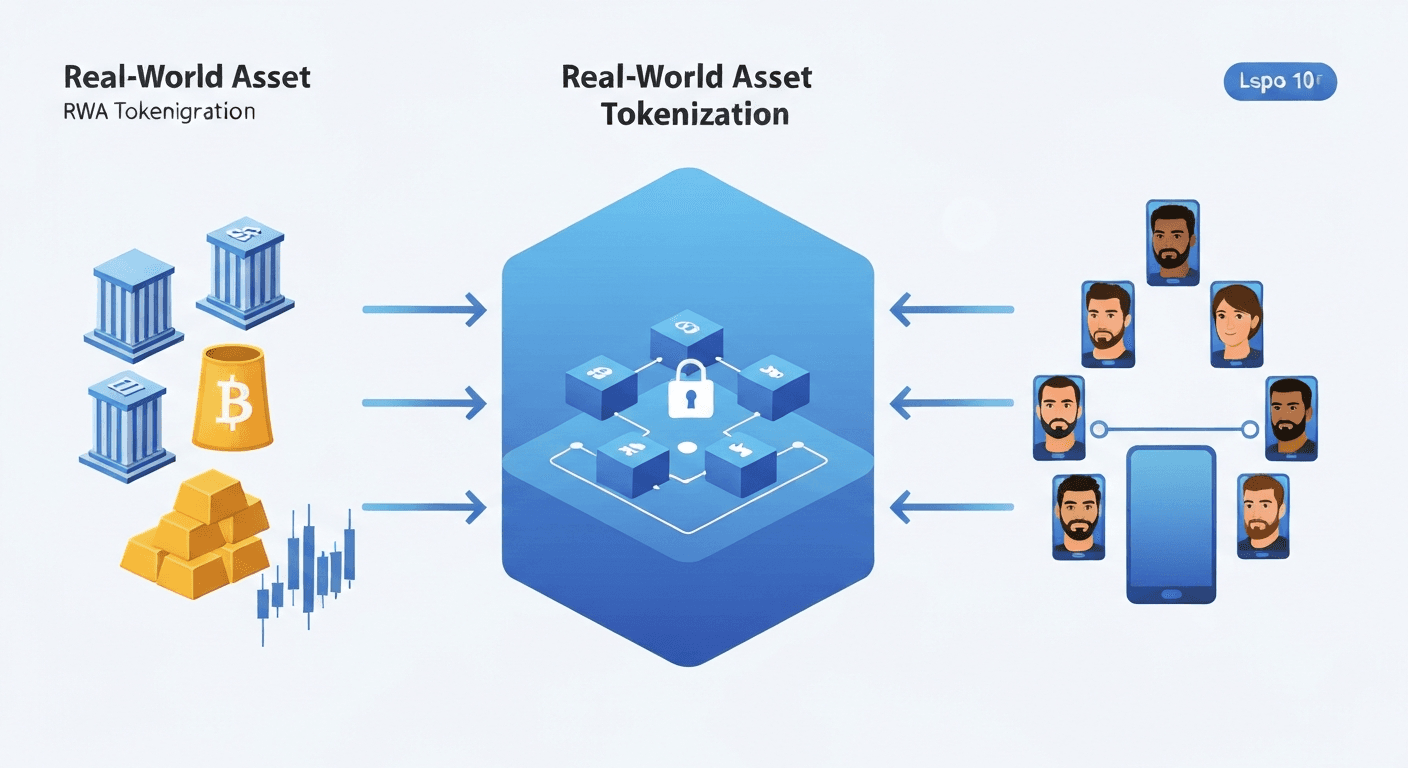
The biggest signal that this is real? BlackRock — the world's largest asset manager with over $10 trillion under management — launched BUIDL, a tokenized US Treasury fund on Ethereum in March 2024. It quickly became the largest tokenized fund, surpassing $500 million in assets within months. When Larry Fink goes on CNBC and calls tokenization "the next generation for markets," you pay attention. This isn't crypto people talking to crypto people anymore. This is Wall Street rebuilding its plumbing.
The big picture: By late 2025, over $12 billion in real-world assets were tokenized on-chain (track it live on RWA.xyz). That's a rounding error compared to traditional finance — which is exactly why the growth runway is enormous.
Stablecoin Payments: Crypto's Trojan Horse
Remember stablecoins from Part 7? Turns out they're the single most useful thing crypto has produced.
Stablecoin transfer volume has surpassed Visa's annual payment volume in raw value moved. Let that sink in. Now, a caveat: stablecoin volume includes DeFi transfers and trading settlement, not just payments — so it's not a perfect apples-to-apples comparison. But even adjusted for that, the sheer scale of value flowing through stablecoin rails is staggering.
Here's why:
- Cross-border payments. Sending $10,000 from the US to the Philippines through traditional banking takes 3-5 days and costs $200-500 in fees. With USDC on a modern blockchain? Minutes. Pennies.
- Dollar access. For billions of people in countries with unstable currencies, stablecoins are the easiest way to hold dollars. No bank account needed. Just a phone.
- Business payments. Companies are increasingly settling invoices in stablecoins because it's faster and cheaper than wire transfers.
This isn't theoretical. Stripe integrated stablecoin payments. PayPal launched its own stablecoin. Circle (USDC issuer) processes billions in weekly volume. The boring plumbing of global commerce is being rewired, and most people using it don't even know they're "using crypto."
Hot take: Stablecoins will onboard more people to crypto than any DeFi protocol, NFT collection, or memecoin ever will. Most of them won't even realize they're using blockchain. And that's the point.
DePIN: The Physical World Goes Decentralized
DePIN stands for Decentralized Physical Infrastructure Networks. Yes, it's a mouthful. But the concept is simple: instead of one company building and owning infrastructure, thousands of individuals contribute their resources and get paid in tokens.
Think of it as the Airbnb model applied to... everything:
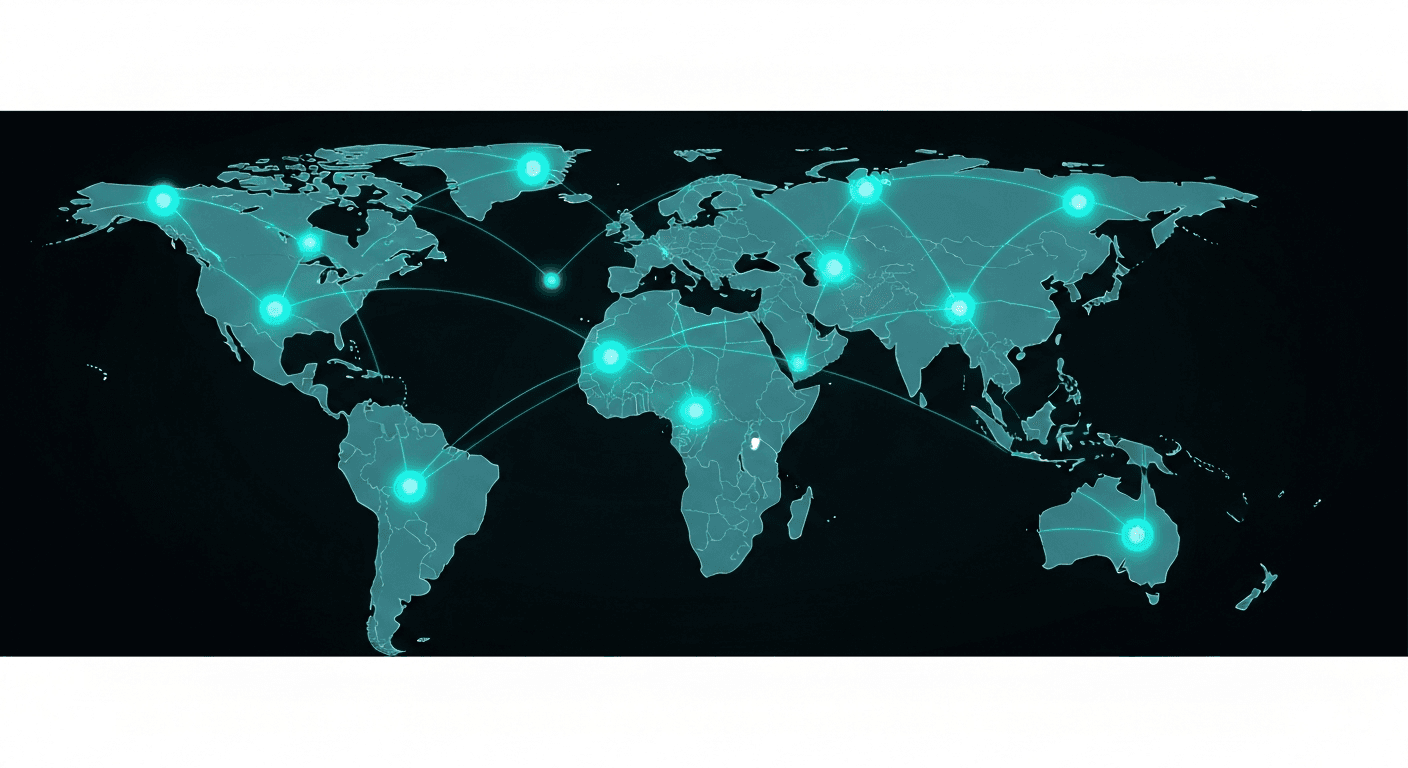
- Helium — People set up small wireless hotspots in their homes and businesses. Together, they've built a people-powered wireless network with global coverage. T-Mobile partnered with them to fill coverage gaps. Instead of one telecom spending billions on towers, thousands of people earn HNT tokens for providing connectivity.
- Render Network — Need GPU power for 3D rendering or AI training? Instead of renting from AWS, Render connects you to a distributed network of GPU owners. It now integrates with leading generative AI tools from Runway, Black Forest Labs, and Stability AI — making it a full-stack platform for next-gen digital creation. People with idle graphics cards earn RENDER tokens by lending their compute power.
- Hivemapper — Dashcam owners contribute street-level imagery as they drive. Together, they're building a constantly-updated map of the world in real time, competing with Google Maps. Contributors earn HONEY tokens, with a burn-and-mint model that keeps the economics sustainable.
The pattern is always the same: a token incentivizes people to build something that would normally require a massive corporation. It's crowd-sourced infrastructure with built-in economic incentives.
Does every DePIN project work? No. Many are overhyped. But the model — using tokens to bootstrap real physical networks — is genuinely powerful.
Supply Chain: From Factory to Shelf
Here's a problem that's existed forever: how do you really know where your stuff comes from?
That "organic" coffee — is it actually organic? Those "ethically sourced" diamonds — who verified that? That pharmaceutical — is it counterfeit?
Blockchain gives you an immutable trail of custody. Every step from factory to shelf gets recorded on-chain, and nobody can alter the history after the fact.
- VeChain works with luxury brands to verify authenticity (no more fake handbags)
- IBM Food Trust (built on Hyperledger) tracks food from farm to supermarket — when there's an E. coli outbreak, they can trace the source in seconds instead of weeks
- Pharmaceutical tracking ensures drugs aren't counterfeit — a massive problem in developing countries
This isn't the sexiest use case, but it might be one of the most impactful. Supply chain transparency saves lives.
Gaming and GameFi: Learning From Failure
Let's be honest about gaming and crypto — the first attempt was mostly a disaster.
Axie Infinity was the poster child of "play-to-earn" gaming. At its peak, people in the Philippines were earning a living playing a Pokémon-style game. Then the economy collapsed. Turns out, a game where new players fund existing players' earnings is just a Ponzi scheme with cute monsters.
The lesson: You can't build a game where the primary motivation is making money. Fun has to come first.
The second wave is more promising:
- Immutable provides the infrastructure for blockchain gaming — fast, gas-free NFT trades for in-game items, with over $2 billion in funding flowing to games building on the platform. Games like Gods Unchained and Illuvium are built on it.
- True ownership of in-game assets means you can sell your sword or skin on any marketplace, not just the game's own shop. You actually own your stuff.
- Interoperability (eventually) could let you use items across different games — though we're far from this reality.
Reality check: No blockchain game has come close to competing with traditional games on gameplay quality. The tech adds real benefits (ownership, open economies), but until a genuinely fun AAA game ships with blockchain under the hood, mass adoption remains a dream.
AI × Crypto: The Convergence Nobody Expected
This is where things get weird — and fascinating.
AI needs three things: compute, data, and coordination. Crypto is surprisingly good at all three.
Decentralized compute:
- Akash Network is like an Airbnb for cloud computing. Anyone with spare servers can rent them out, and AI developers get cheaper GPU compute than AWS — purpose-built for AI workloads like model training, inference, and large-scale data processing.
- Render (yes, the same one from DePIN) also serves AI workloads — GPU compute is GPU compute, whether you're rendering 3D scenes or training models.
AI agents with wallets: This one is mind-bending. Imagine an AI assistant that can actually pay for things. Not "click buy for you" — literally has its own crypto wallet, manages its own budget, pays for API calls, hires other AI agents. Crypto gives AI economic autonomy because blockchains don't care if the user is human or machine.
Data marketplaces: AI models need training data. Blockchain-based marketplaces like Ocean Protocol let data owners sell access to their datasets without losing control of the underlying data. You monetize your data while maintaining privacy.
My prediction: The AI × crypto intersection will be the defining narrative of the next cycle. Not because of hype — because AI genuinely needs decentralized infrastructure, and crypto genuinely needs useful applications. They solve each other's problems.
Music, Entertainment, and Creator Economics
Artists have been getting screwed by the music industry for decades. Streaming pays fractions of a cent per play. Labels take the lion's share. Creators own nothing.
Crypto offers an alternative:
- Royal.io pioneered letting fans buy shares of songs — literally owning a percentage of streaming royalties. When the song earns money, token holders get paid. The platform has since transitioned to a legacy model, with royalty claims handled through its LDA portal.
- Sound.xyz let artists release music as limited-edition collectibles, with fans getting exclusive access and artists getting paid directly. The platform shut down in January 2026 to focus on its successor, Vault — but everything collectors owned remains on-chain and accessible. A reminder that on-chain ownership outlives the platforms built on top of it.
It's early, and this space is still evolving — platforms come and go, but the principle matters: creators can monetize directly, without intermediaries taking 80% of the value. That's a big deal.
Insurance, Identity, and the Long Tail
A few more sectors where crypto is making quiet progress:
Decentralized Insurance:
- Nexus Mutual lets people pool funds to insure against smart contract hacks, custody failures, depegs, and slashing events. No insurance company needed — the community decides on claims. With over $6 billion in crypto protected and 10,000+ covers provided, it's the leading on-chain insurance alternative.
Identity and Credentials:
- Verifiable credentials on-chain mean your university degree, professional certification, or proof of age can be cryptographically verified without calling the issuing institution.
- Proof of Humanity and similar protocols establish that you're a real person — increasingly important in a world of AI-generated everything.
- Self-sovereign identity means you control your data, not Facebook or Google.
These aren't sexy. They won't pump your bags. But they're the infrastructure of a more open internet.
The Adoption Curve: Where Are We Really?
Let's zoom out. After 15+ years, where does crypto actually stand?
What's working:
- Stablecoins (massive, growing, genuinely useful)
- RWA tokenization (institutional adoption accelerating)
- DePIN (real networks, real users, real revenue)
- Cross-border payments (life-changing for developing nations)
What's promising but early:
- Gaming (right model, needs better games)
- AI × crypto (logical convergence, mostly experimental)
- Creator economics (real value prop, small scale)
What's still mostly hype:
- "Everything will be tokenized" maximalism
- Metaverse/virtual real estate
- Most governance tokens
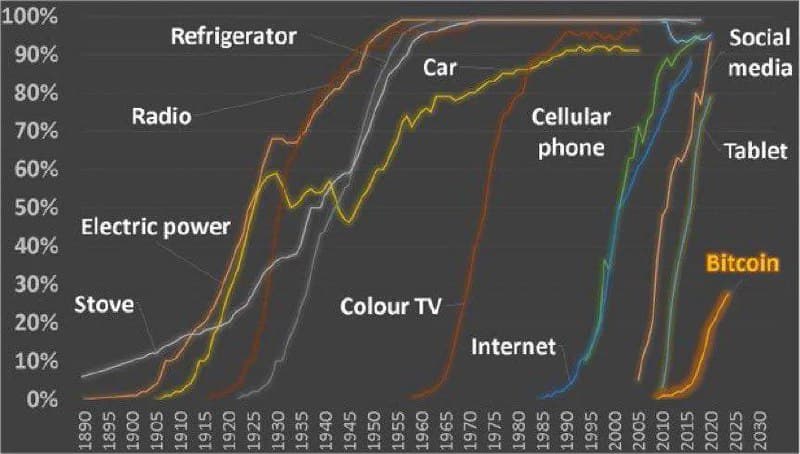
If I had to place crypto on the classic technology adoption curve, I'd say we're at the early majority phase for stablecoins and payments, but still in early adopter territory for almost everything else. The gap between "this could change the world" and "this has changed the world" is still wide for most use cases.
But the direction is clear. The question isn't whether crypto will have real-world applications — it already does. The question is how fast the rest catches up.
What's Next
In Part 19, we'll survey the 2025-2026 crypto landscape — what's changed, what's emerging, and what the current cycle looks like. ETF impacts, regulatory shifts, new narratives, and where the smart money is flowing. A snapshot of crypto right now.
See you there. 🔭
Stay Updated
Get notified about new posts on automation, productivity tips, indie hacking, and web3.
No spam, ever. Unsubscribe anytime.